
Business News - Nachrichten - Austrian Times

Bild: bigstock.at (133294829)
Alle Nachrichten und Artikel über Business, Unternehmen und Geschäfte in Österreich finden Sie hier auf AustrianTimes.at.

Wie finde ich den passenden Webhosting-Anbieter für mein Unternehmen?
Hinter jeder erstklassigen Webseite steht ein starkes Webhosting, das deren dauerhafte Erreichbarkeit ebenso wie aktuelle Sicherheitsstandards und kurze Ladezeiten ermöglicht. Unternehmen, ob auf globaler Ebene oder speziell in Österreich, können sich heute aus Gründen der Wettbewerbsfähigkeit keine Kompromisse hinsichtlich der Qualität ihrer digitalen Infrastruktur mehr leisten - was die Wahl des Webhosting-Anbieters umso stärker in den Fokus rückt.
Wie man die Online-Sichtbarkeit für die eigene Unternehmenswebsite steigern kann
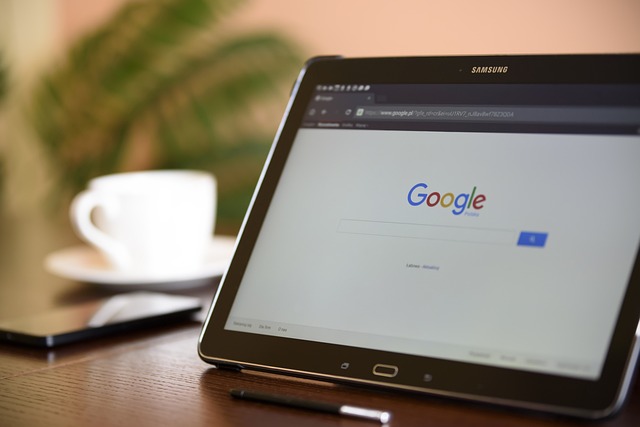
Mehr Online-Sichtbarkeit für die eigene Unternehmenswebsite zu erzeugen, kann eine echte Herausforderung sein. Doch es gibt einige einfache Schritte, die man unternehmen kann, um das Ranking der Website in Suchmaschinen zu verbessern und mehr Besucher anzulocken. In diesem Artikel werden wir einige Tipps und Tricks vorstellen, die Ihnen helfen, Ihre Website noch sichtbarer und erfolgreicher zu machen.

Die Wichtigkeit der Budgetierung: Wie man ein Budget erstellt und einhält
In der heutigen sich ständig verändernden Finanzwelt ist ein solides Verständnis der Budgetierung unerlässlich.

Arbeitssuchende profitieren von Fachkräftemangel
Die Zahl der Arbeitslosen in der Steiermark sinkt weiterhin konstant. Im Gegensatz dazu steigen jedoch die offenen Stellen. Immer mehr Unternehmen leiden unter dem Fachkräftemangel – dies ist ein Zeichen für die aktuelle Lage auf dem globalen Arbeitsmarkt. In den letzten Jahren hat sich der Stellenmarkt stark gewandelt, wobei sich das Kräfteverhältnis zugunsten der Bewerber verschoben hat. Dies bedeutet, dass es jetzt mehr Möglichkeiten für qualifizierte Arbeitskräfte gibt, die weniger durch ihren derzeitigen Beruf oder Standort eingeschränkt sind. Infolgedessen wird es für die Unternehmen immer schwieriger, bestimmte Stellen zu besetzen. Vor allem die, welche bestimmte Qualifikationen erfordern, was zu einem Mangel an Fachkräften führt. Welche Branchen mehr davon betroffen sind und welche Vorteile das für Arbeitsuchende hat, beleuchtet dieser Artikel.
Welche Bildschirme sind schonend für die Augen?
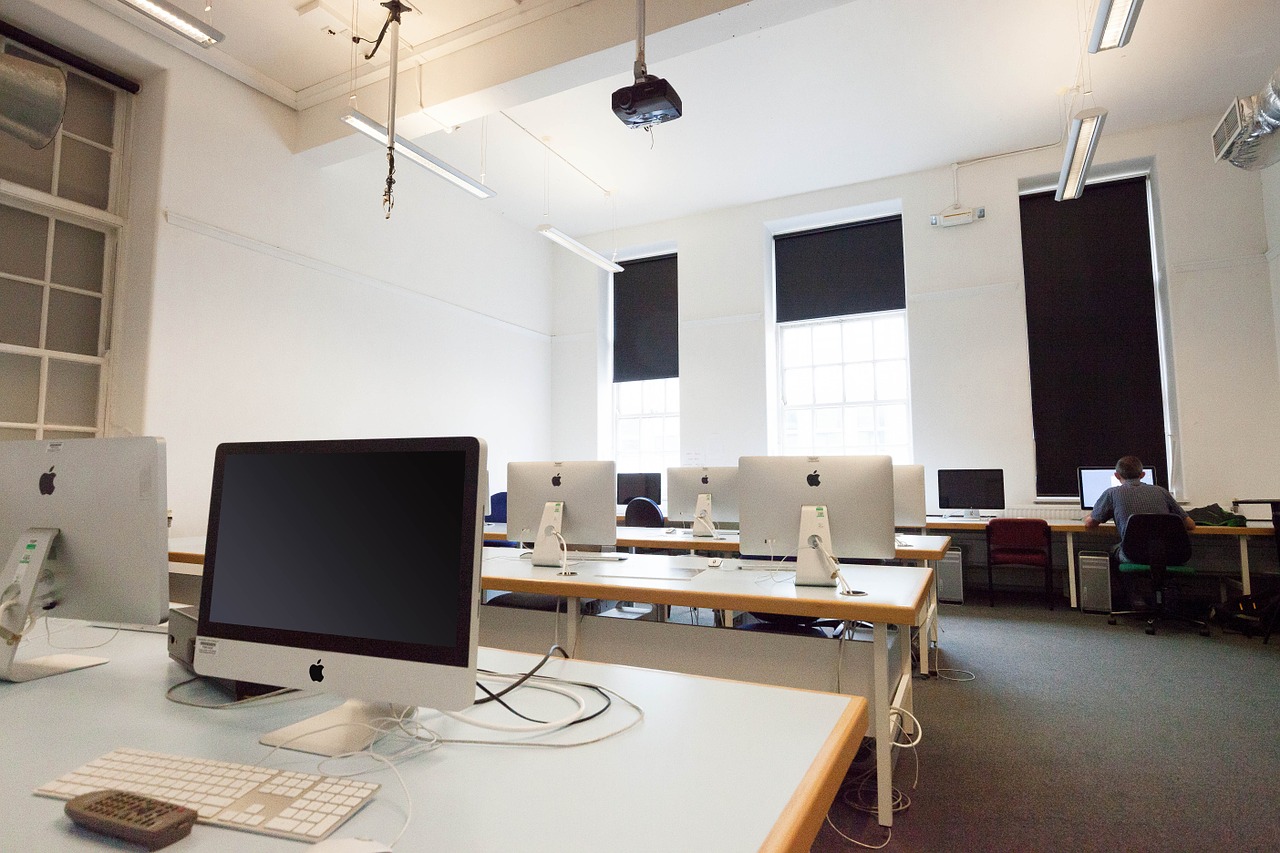
Zur heutigen Zeit ist es fast schon unnormal, wenn man nicht einmal am Tag auf einen Bildschirm schaut. Meist handelt es sich dabei um unser Smartphone, welches neben dem Haus- und Autoschlüsseln, mittlerweile zu den unverzichtbaren Begleitern im Alltag zählt. Früher noch war der Fernsehbildschirm der einzige, der unseren Augen gefährlich werden konnte. Nun sind es allerlei Bildschirme: Angefangen beim Smartphone, geht es weiter mit dem TV, Computerbildschirm, Laptop-Display, E-Book-Reader und Tablet. Selbst während Sie diesen Artikel lesen, werden Ihre Augen vom Display-Licht angegriffen.

Vier Maßnahmen für effektive Kundenbindung
Wie schwierig es sein kann, Kunden zu generieren, wissen Start-ups und junge Unternehmen nur allzu gut. Der Weg vom Unternehmen bis zum Endkunden kann mitunter lang sein, schließlich müssen sich Firmen die Gunst ihrer Kunden hart erkämpfen und sich besser darstellen als die Konkurrenz. Ist diese Hürde geschafft, geht es darum, die Kunden möglichst effektiv zu binden. Hierfür stehen Ihnen als Unternehmer zahlreiche Möglichkeiten zur Verfügung. Vier davon stellen wir hier vor.

Digitale Infrastruktur für KMU – ein unterschätzter Zukunftsfaktor
Den digitalen Wandel nehmen immer mehr Unternehmen in Österreich ernst, die hierin ein wertvolles Potenzial erkennen. Neben der Sorge, gewohnte Abläufe aufgeben zu müssen, überzeugen die Vorteile einer starken, digitalen Infrastruktur als wesentlicher Vorteil. Faktoren wie die Geschwindigkeit des betrieblichen Internetanschlusses werden bei der digitalen Umstellung oft übersehen. Dabei machen diese sogar ein wesentliches Kriterium aus, wenn es um die zukünftige Wahl des Standortes von Unternehmen geht.
Wie Industrieroboter die Zukunft der Arbeit verändern werden
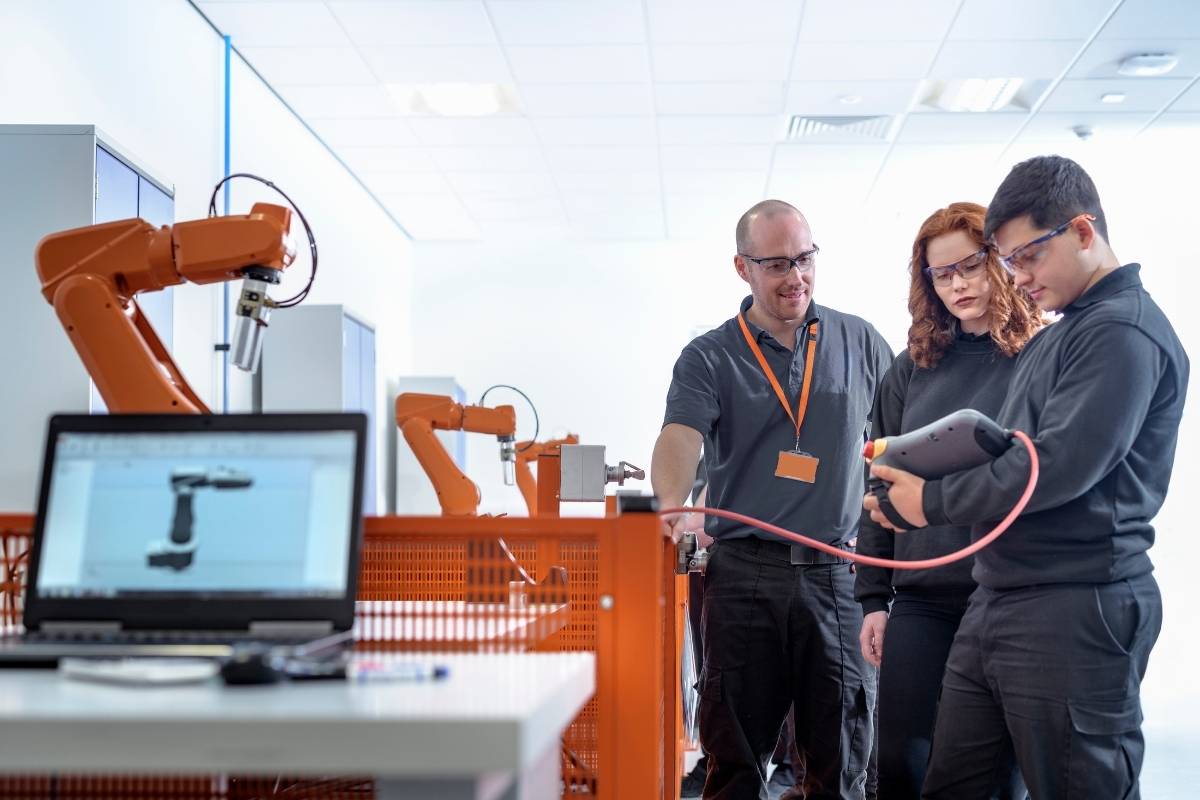
Die Idee hinter Cobots ist es, dass sie die Arbeit der Menschen ergänzen und nicht ersetzen. Doch können Industrieroboter dies auch tatsächlich leisten und wie verändern sie die Arbeitswelt? Das erklären wir in diesem Artikel.

Ist die Arbeitszeiterfassung Pflicht?
Die Arbeitszeiterfassung war früher mit der Stempelkarte Gang und Gäbe. Rund um die Jahrtausendwende gab es dann die Revolution der Vertrauensarbeitszeit, die für die Arbeitnehmer aber überwiegend Nachteile mit sich brachte.

Beidseitiges Profitieren - Mitarbeiter-Benefits
Benefits für Mitarbeiter sind heute mehr denn je ein zentrales Instrument, um ein Unternehmen als attraktiven Arbeitgeber zu präsentieren. Davon können nicht nur die Arbeitnehmer profitieren - auch der Arbeitgeber kann daraus seine Vorteile ziehen, nicht nur steuerlich.

Wie Amazon den Start in den Onlinehandel erleichtert: Das FBA Programm erklärt
FBA ist die Abkürzung für Fulfillment by Amazon, was Abwicklung durch Amazon heißt. Dies bedeutet, dass Amazon für einen Kunden oder ein Unternehmen die logistische Auftragsabwicklung übernimmt. Dies beinhaltet den Versand, die Lagerung, die Retouren sowie die Betreuung der Kunden.
Wie neue digitale Workstations Ihr Unternehmen verbessern werden
Professionelle Workstations können heutzutage dem Endergebnis einer Organisation ebenso zugute kommen wie der Produktivität des Benutzers, aber viele Unternehmen haben keine Ahnung von den finanziellen Vorteilen und ihrem Wert. Jeder Unternehmenskauf muss an dem Nutzen gemessen werden, den er dem Unternehmen bringt. Digitale Workstations sind so konzipiert, dass sie den möglichen Return on Investment bieten. So wie sich die Software verbessert, so verbessert sich auch das eigentliche Unternehmen. In der Branche kommt immer mehr Software auf den Markt. Unternehmen, die immer noch auf Bleistift und Papier zurückgreifen, werden sich schwer tun, ihr Geschäft mit den Trends Schritt zu halten. Im Folgenden werden einige der Vorteile von digitalen Workstations erörtert.
Didi Mateschitz – ein österreichisches Marketing-Genie
Viel ist über den milliardenschweren Red Bull-Erfinder Didi Mateschitz nicht bekannt. Dass er allerdings ein Marketing-Genie ist, steht außer Frage. In knapp 20 Jahren hat er aus einem Energydrink ein weltweites Unternehmen gebaut. Wir stellen Didi Matschitz und sein Getränke-Marketing-Sport-Imperium genauer vor.

Besonderheiten der internationalen Geschäftstätigkeit in Österreich
Österreich ist eines der vielversprechendsten und attraktivsten Länder in Europa, um Geschäfte zu machen. Das Land ist bekannt für den Einsatz von Hochtechnologien und -entwicklungen, das Vorhandensein eines entwickelten Bankensystems, politische und wirtschaftliche Stabilität sowie das Vorhandensein von Programmen zur Unterstützung von Start-up-Geschäftsleuten.

Homeoffice: Wie das Corona Virus unsere Arbeitswelt verändert hat
Christian Drosten, Deutschlands bekanntester Virologe, hat selbst erlebt, wie das Coronavirus seine persönliche Arbeitswelt verändert hat.
EuGH macht Zeiterfassung zur Pflicht
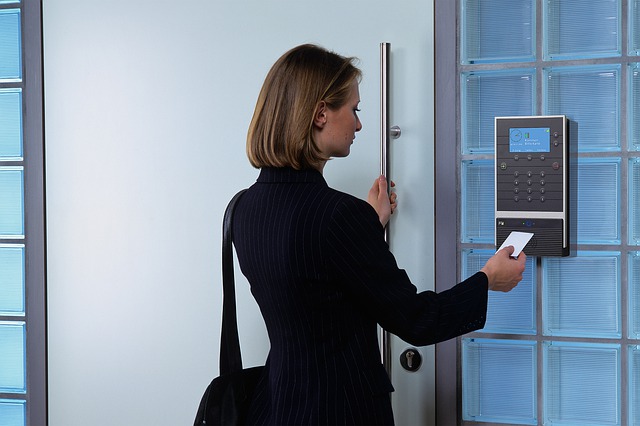
Seitdem durch einen EuGH-Beschluss die Zeiterfassung zur Pflicht erklärt wurde, sind auch Unternehmen in Österreich verpflichtet, die Arbeitszeiten von Mitarbeitern systematisch zu dokumentieren.

Der asiatische Markt für österreichische Unternehmer
Asien ist derzeit jener Kontinent, der das schnellste und stärkste Wirtschaftswachstum vorweisen kann. Immer mehr Länder erlangen einen größeren Wohlstand und werden durch neue Technologien immer vernetzter.

Karrierechancen verbessern durch eine Sprachreise
Fremdsprachen sind im Berufsleben unheimlich wichtig. So verbessert man sein Karrierechancen durch eine Sprachreise. Jetzt informieren!

Nachhaltigkeit ist für Unternehmen in vielen Belangen wichtig: So gelten etwa die Verantwortung gegenüber Umwelt und Natur, aber auch dem Kunden als besonderes Merkmal für nachhaltige Arbeit in heimischen Betrieben.
Selbstständig machen - Infos zur Selbstständigkeit
Alle Informationen zur Selbstständigkeit in Österreich finden Sie hier online. Jetzt Tipps und Infos nachlesen und informieren!

Einzelunternehmen gründen in Österreich
Ein Einzelunternehmen wird immer von einer natürlichen Person gegründet, die das Unternehmen in eigenem Namen und auf eigene Rechnung betreibt. Der Einzelunternehmer kann entweder Eigentümer des Unternehmens sein, oder er hat es gepachtet.
GmbH gründen - Gründung einer Gesellschaft mit beschränkter Haftung in Österreich
In Österreich gibt es weit mehr als 100.000 GmbHs. Dies sind juristische Personen des Privatrechts, die in der Gruppe der Kapitalgesellschaften einzuordnen sind. Alle Infos dazu finden Sie hier!

Englische Limited gründen - Kosten, Infos & Vorteile zur Gründung einer Ltd.
Die Limited Company (kurz Ltd.) hat als Kapitalgesellschaft eine große Ähnlichkeit mit der österreichischen GmbH. Sie ist mittlerweile eine recht gebräuchliche Unternehmensform. Alle Infos finden Sie hier!
Businessplan erstellen - so wird es gemacht - Muster, Vorlagen & Tipps
Alle Informationen zur Erstellung eines Businessplans für Startups, Jungunternehmen und Neugründer: Tipps und Anleitungen, sowie Muster und Vorlagen finden Sie hier.
Firma gründen - Unternehmensgründung in Österreich
Warum sollte man selbst eine Firma gründen? Diese Frage stellen sich vor allem viele junge Leute. Alle Informationen zur Firmen- und Unternehmensgründung in Österreich finden Sie hier!

Offshore Firma gründen - Tipps und Informationen
Alle Informationen, Tipps und Hilfestellungen zur Gründung einer Offshore-Firma im Ausland finden Sie hier.
Wasserspender verbessern Betriebs- und Arbeitsklima nachhaltig
Unternehmen bemühen sich zusehends, Mitarbeiter langfristig an den Betrieb zu binden. War dies in der Vergangenheit vorwiegend durch ein attraktives Gehalt möglich, achten Fachkräfte mittlerweile auf andere Faktoren. Berufliche Weiterentwicklungen, Flexibilität und das Arbeitsklima sind ebenso wichtig wie eine faire Entlohnung.
Red Bull ist Österreichs wertvollste Marke
Jedes Jahr erstellt das European Brand Institute ein Ranking der wertvollsten Marken Österreichs. Diese sind 2021 zusammen rund 33,5 Milliarden Euro wert und haben damit im Vergleich zum Vorjahr etwas an Wert eingebüßt.
Willkommen in einer neuen Arbeitswelt: New Work
Der Wunsch nach einer ausgeglichenen Work-Life-Balance wird immer größer! Mehr Zeit für sich selbst, weniger arbeiten. Im Gegensatz dazu streben aber viele Start-ups nach neuen Zielen, die nur mit viel Einsatz und Verzicht auf Freizeit zu erreichen sind. Wie funktionieren diese Modelle, obwohl sie in entgegengesetzte Richtungen tendieren? New Work lautet das Zauberwort, mit dem die Arbeitswelt revolutioniert wird.